Most of our sea freight moves in standard 20ft and 40ft containers. Here is how they compare.
Container sizes at a glance
| Type | Inside length | Inside width | Inside height | Volume | Max. cargo weight |
|---|---|---|---|---|---|
| 20ft standard | 5.90 m | 2.35 m | 2.39 m | ~33 m³ | ~28,000 kg |
| 40ft standard | 12.03 m | 2.35 m | 2.39 m | ~67 m³ | ~26,500 kg |
| 40ft high cube (HC) | 12.03 m | 2.35 m | 2.69 m | ~76 m³ | ~26,500–28,500 kg |
Typical figures. Every container lists its own maximum weight and capacity on the door. The 40ft high cube in our gallery, for example, shows 76.4 m³.
What fits
- One car, plus some parts: a 20ft container
- Several cars, or a car with a lot of parts and goods: a 40ft or 40ft HC
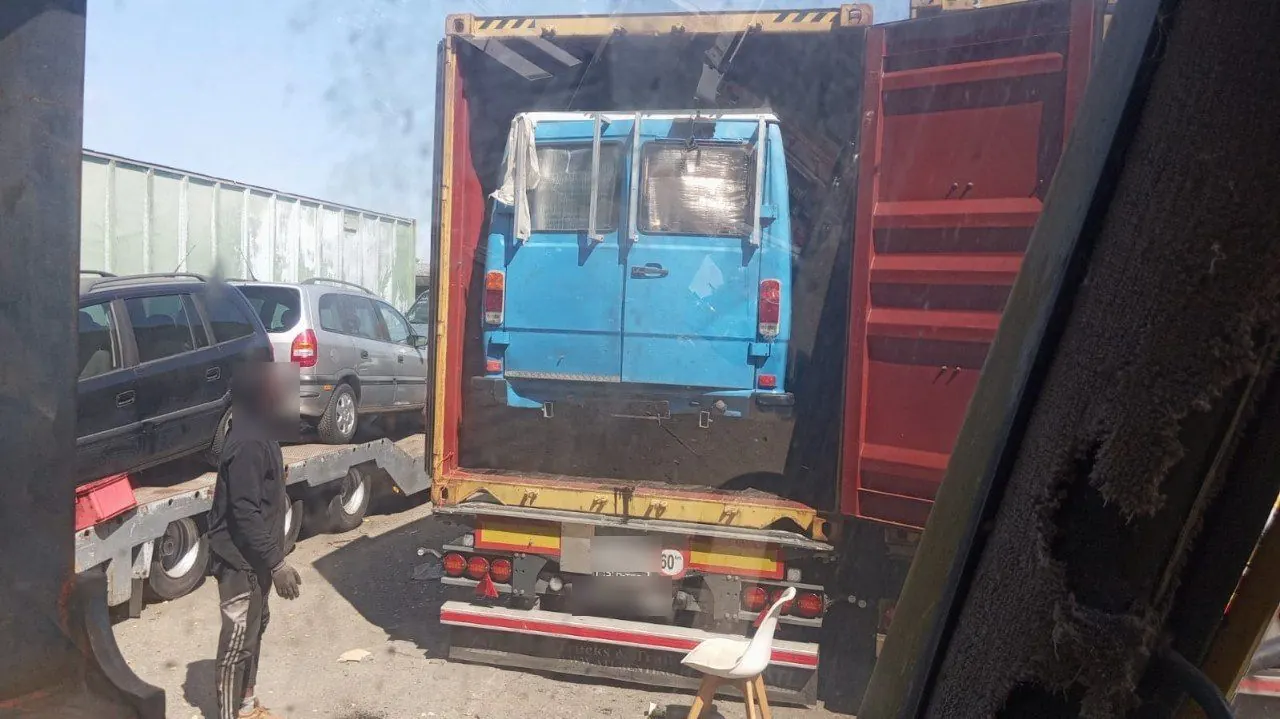
- Tall cargo such as vans, furniture or stacked goods: a 40ft high cube, which gives an extra 30 cm of height
- Heavy, compact cargo such as engines: often a 20ft, because heavy goods reach the weight limit before the space runs out
How to choose
Choose by volume for light, bulky goods, and by weight for dense goods like engines and machinery. If your cargo does not fill a container, ask about shipping it together with other cargo, which can be cheaper. Oversized items such as tractors or construction equipment may need special handling, so send us the dimensions.
Not sure? Send us a list or a photo of your cargo on WhatsApp and we’ll recommend the right size in your quote.
Published by EL-ROI Shipping Services, Essen · Updated 26 September 2026